


If you’ve been keeping an eye on the skies across the Prairies, the latest numbers from the North Dakota Game and Fish Department (NDGF) are giving duck hunters and conservationists a massive reason to celebrate.
According to the 2026 Fall Flight Forecast, released on July 27th, duck brood numbers across North Dakota are up a staggering 55% compared to 2025. Thanks to vital late-spring rains, the region is set to deliver a total fall duck flight that biologists expect to be roughly 9% higher than last year.
At the center of this incredible rebound? The wetland complex surrounding Devils Lake.
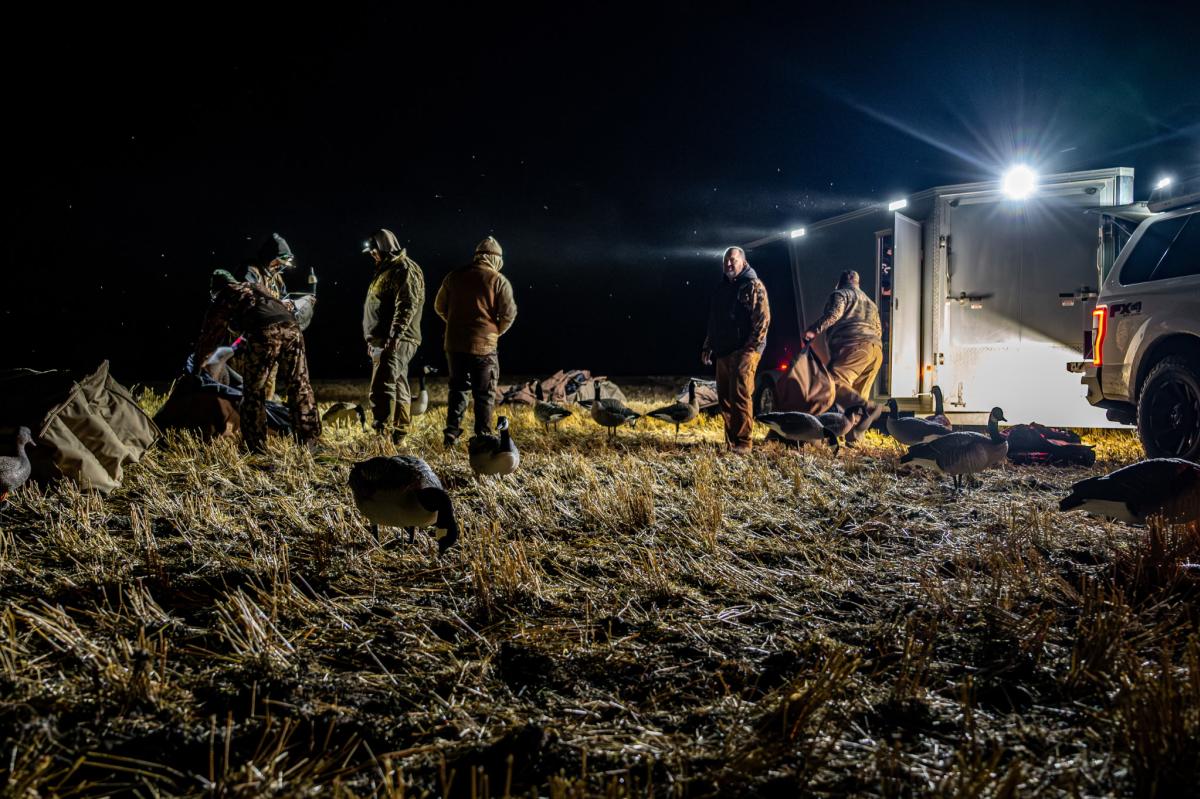
Image credit: Montana Outdoor Imagery
Timely Rains Fuel Outstanding Habitat Conditions
Every year, NDGF biologists combine data from the annual May breeding duck survey and the July duck brood survey to project the total population heading into autumn. This year, weather timing made all the difference.
"The 2026 mid-July water index was up 36% from last year, creating favorable habitat during much of the nesting and brood-rearing period," noted John Palarski, NDGF migratory game bird management supervisor.
While far northwestern North Dakota saw significant moisture, additional precipitation in the Devils Lake area created exceptional wetland conditions throughout northeastern North Dakota. The intact seasonal and semi-permanent wetlands around the lake provided rich, high-quality habitat right when young ducklings needed it most.
Record-Breaking Numbers in the Field
Survey results highlighted across-the-board gains for almost all duck species, with a few spectacular standouts:
-
Blue-winged Teal & Gadwall: Led the pack, accounting for nearly 53% of all identified broods observed.
-
Gadwall: Brood counts surged by 97% over 2025 levels.
-
Northern Pintail: Registered an impressive 76% increase in broods.
-
Redheads: Saw a 76% increase, pushing counts to the highest level recorded in the survey's 62-year history.
The Big Picture: Why Intact Wetlands Matter
While temporary surface water provided a crucial boost this season, Palarski emphasized that long-term waterfowl production relies on permanent conservation efforts. Temporary pools get birds through strong seasons, but North Dakota’s sustained duck factory depends on keeping intact prairie wetlands healthy and protected year after year.
With habitat conditions delivering exceptional results in the Devils Lake region, the stage is set for an exciting autumn ahead. Gear up, scout your spots early, and get ready for a memorable fall flight!
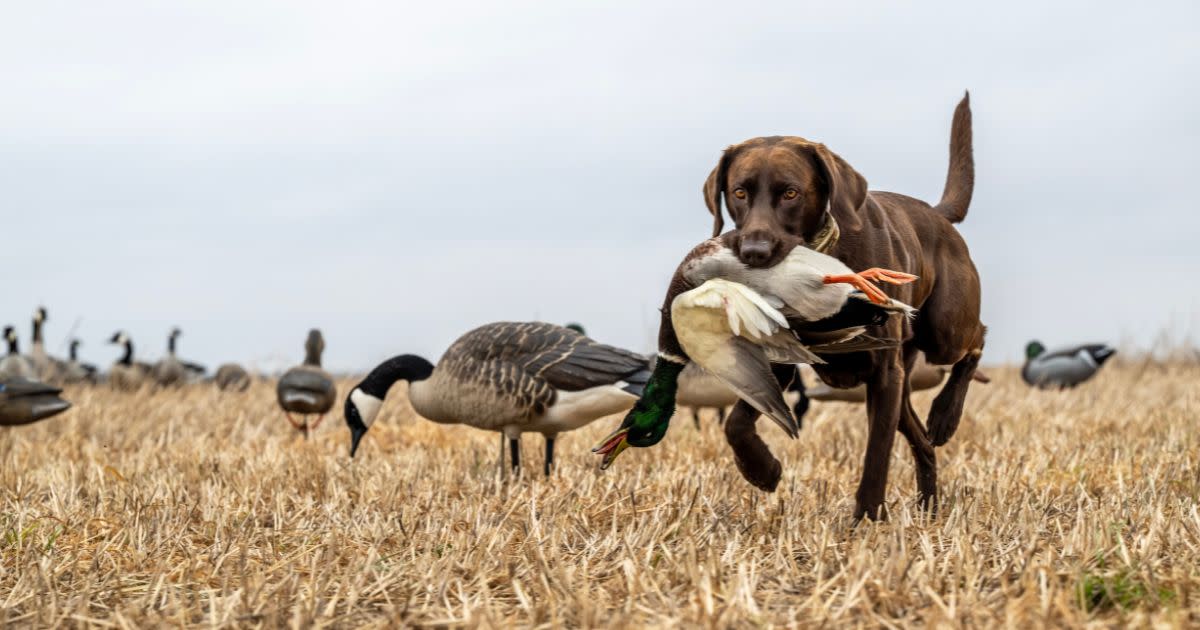
Image credit: Montana Outdoor Imagery